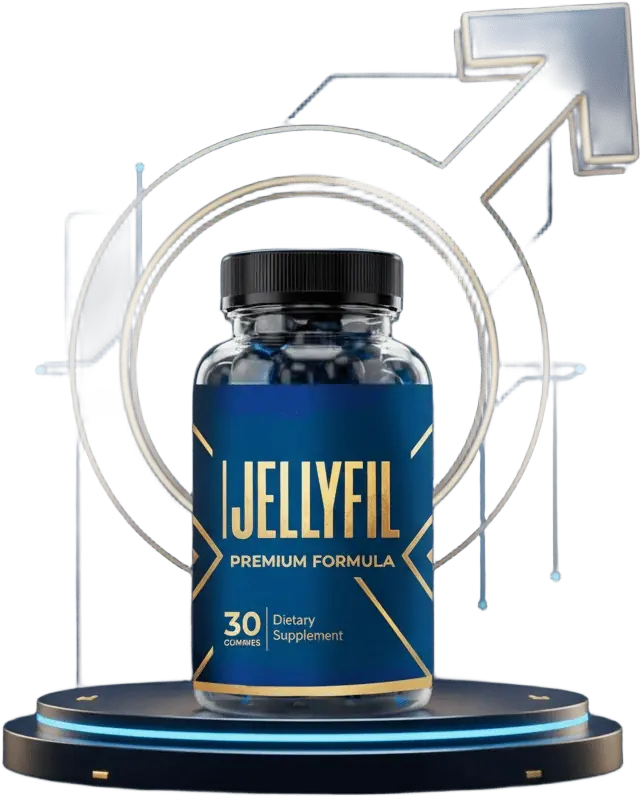
01 · Traditional Amazonian bark
Muira Puama Extract
An Amazonian shrub bark with a long history of traditional use and, honestly, very little modern human research behind it.
Read moreAn entry point to all nine ingredient pages, grouped by how strong the evidence behind each one actually is.
Nine components in one 82 mg blend. Reading them grouped by evidence tells you considerably more than taking them in the order the panel prints them.
Ashwagandha has genuine randomised trials on perceived stress, cortisol and sleep quality — the strongest research base in the blend by some distance. Maca has several small but reasonably designed human studies, including on libido, which is more than most botanicals in this category can claim.
L-arginine converts to nitric oxide, which relaxes blood vessels — textbook biochemistry, and the source of this formula's most important drug interaction. Green tea extract and caffeine are among the most studied compounds in nutrition, though 5 mg of caffeine is roughly a twentieth of a coffee.
Muira puama and catuaba both have long histories in South American preparations and almost no controlled human trials. Horny goat weed contains icariin, which shows mild PDE5 activity in laboratory work — mechanistically interesting, and not clinical evidence.
Tribulus terrestris has been tested repeatedly for testosterone and athletic performance and has generally failed to beat placebo. It remains one of the most common ingredients in men's supplements regardless.
This is the most important thing to know before reading anything else about the formula.
The official sales page names six botanicals: Tongkat Ali, Panax Ginseng, Maca Root, Tribulus Terrestris, Saw Palmetto and Ashwagandha. The supplement facts panel on the bottle lists nine different components, and only three of them overlap — maca, tribulus and ashwagandha. Tongkat Ali, Panax Ginseng and Saw Palmetto do not appear on the label at all, while muira puama, catuaba, green tea, caffeine, L-arginine and horny goat weed appear on the label but not in the sales page's ingredient list.
This website follows the label, because that is the regulated panel on the bottle you actually receive. There is a further reason to distrust the sales page's ingredient section: its own introduction describes the formula as designed "to support cognitive health in seniors", which plainly belongs to a different product.
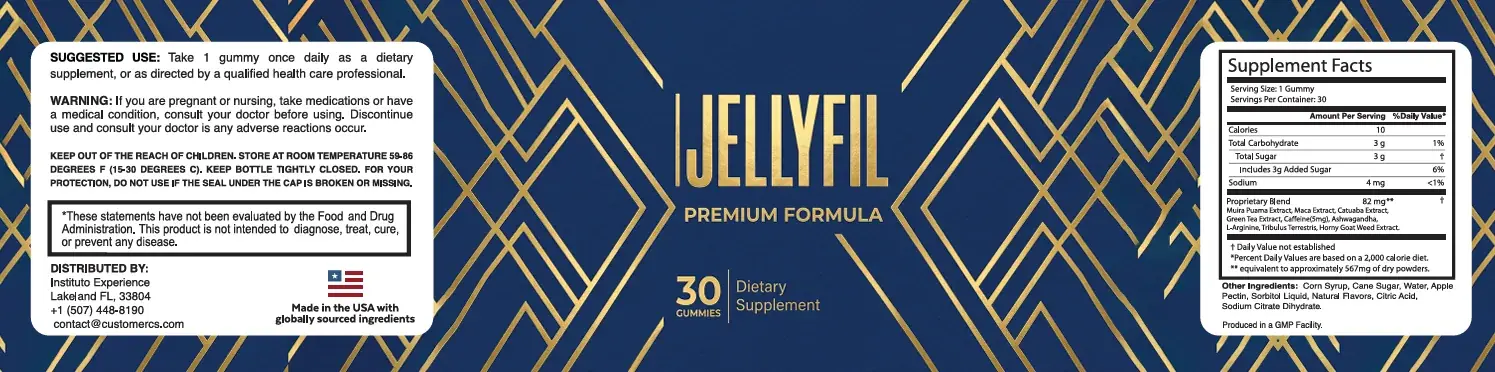
The label lists a single proprietary blend of 82 mg covering all nine components, noted as equivalent to roughly 567 mg of dry powders. No individual amount is published except caffeine at 5 mg.
That total is worth putting in context. Ashwagandha trials typically use 300–600 mg of extract daily. Maca studies commonly use 1.5–3 grams. L-arginine research generally uses several grams. Tribulus trials often exceed 750 mg. The entire blend here is 82 mg spread across nine ingredients.
This is not a criticism of any single ingredient — it is the arithmetic the label itself provides. It is also why no milligram figures for individual ingredients appear anywhere on this website: they are not published, and inventing them would be worse than leaving them out.
What each one is, the research context, its role here and the cautions attached to it.
An Amazonian shrub bark with a long history of traditional use and, honestly, very little modern human research behind it.
Read more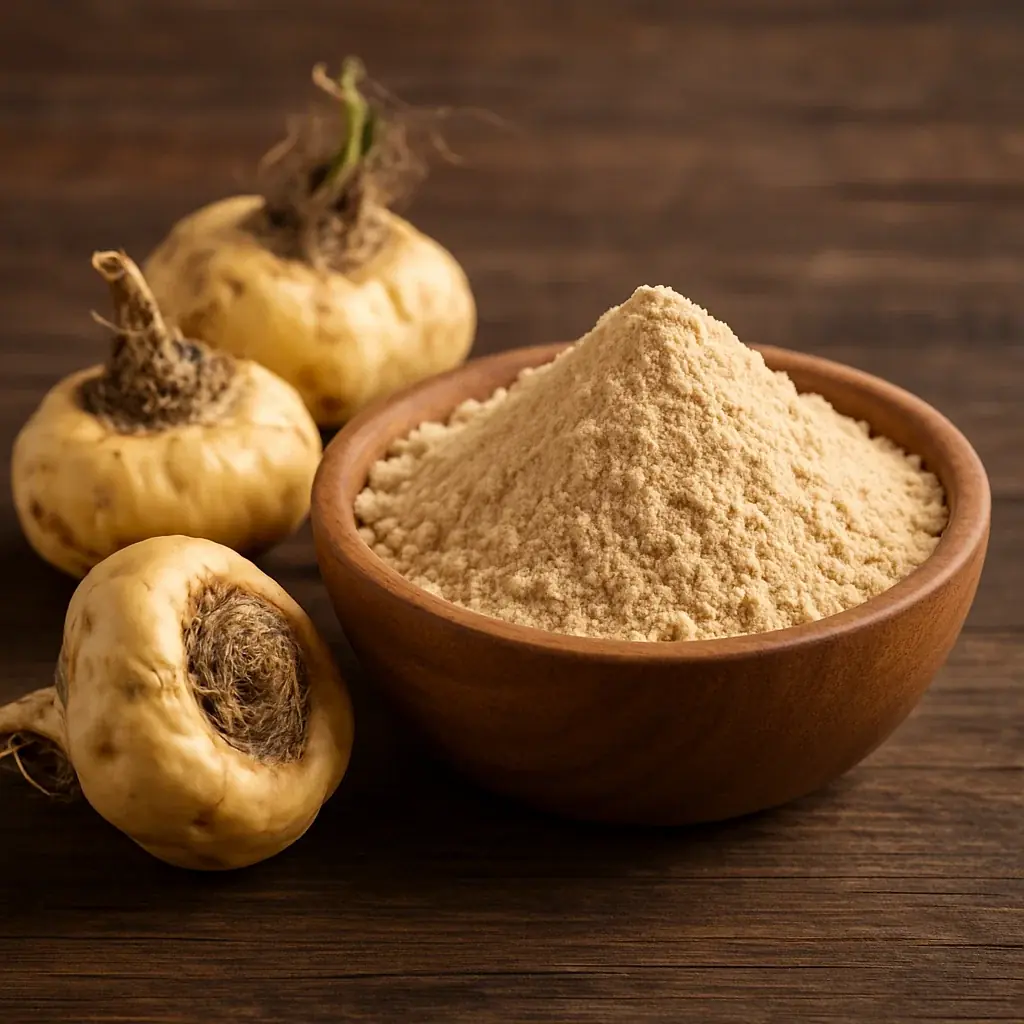
A high-altitude Peruvian root eaten as a food crop, with the most encouraging human research of any botanical in this blend.
Read more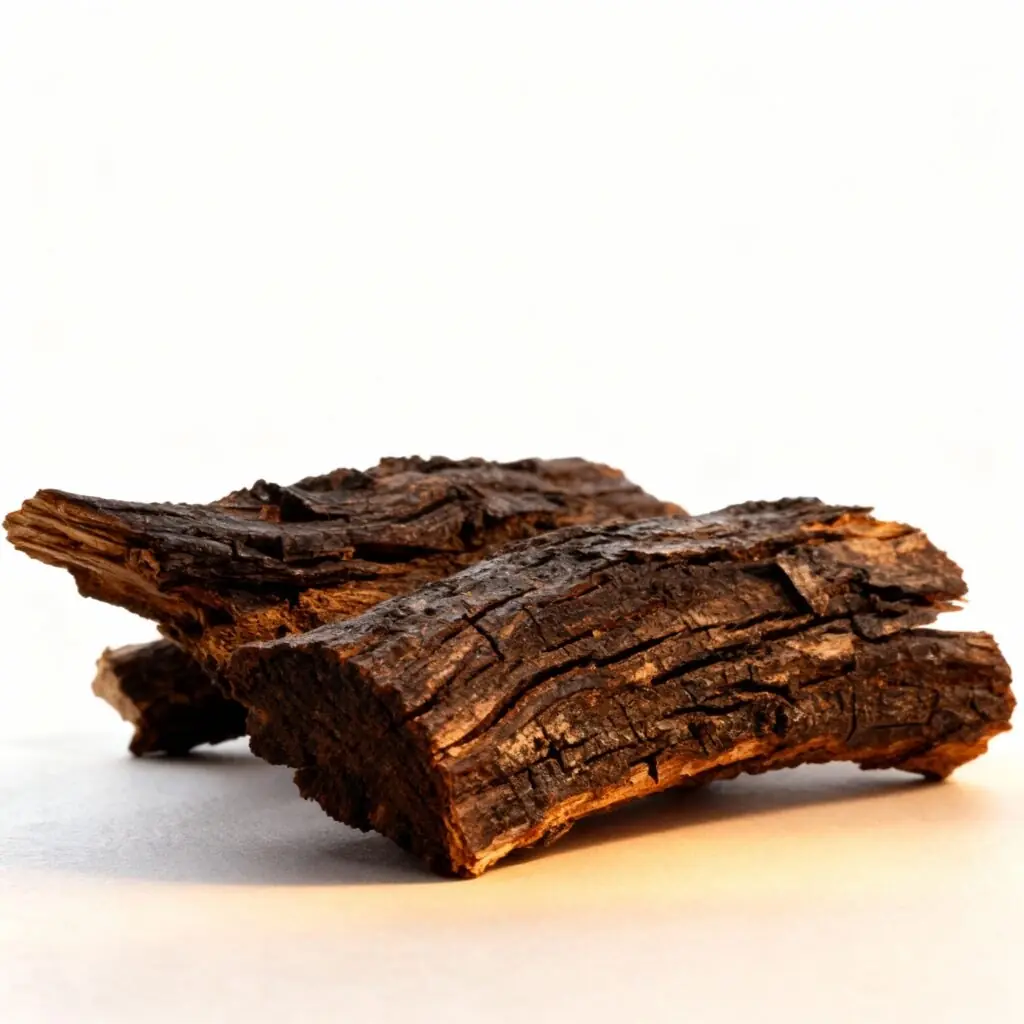
A Brazilian tree bark used in traditional preparations, with essentially no controlled human trials to draw on.
Read more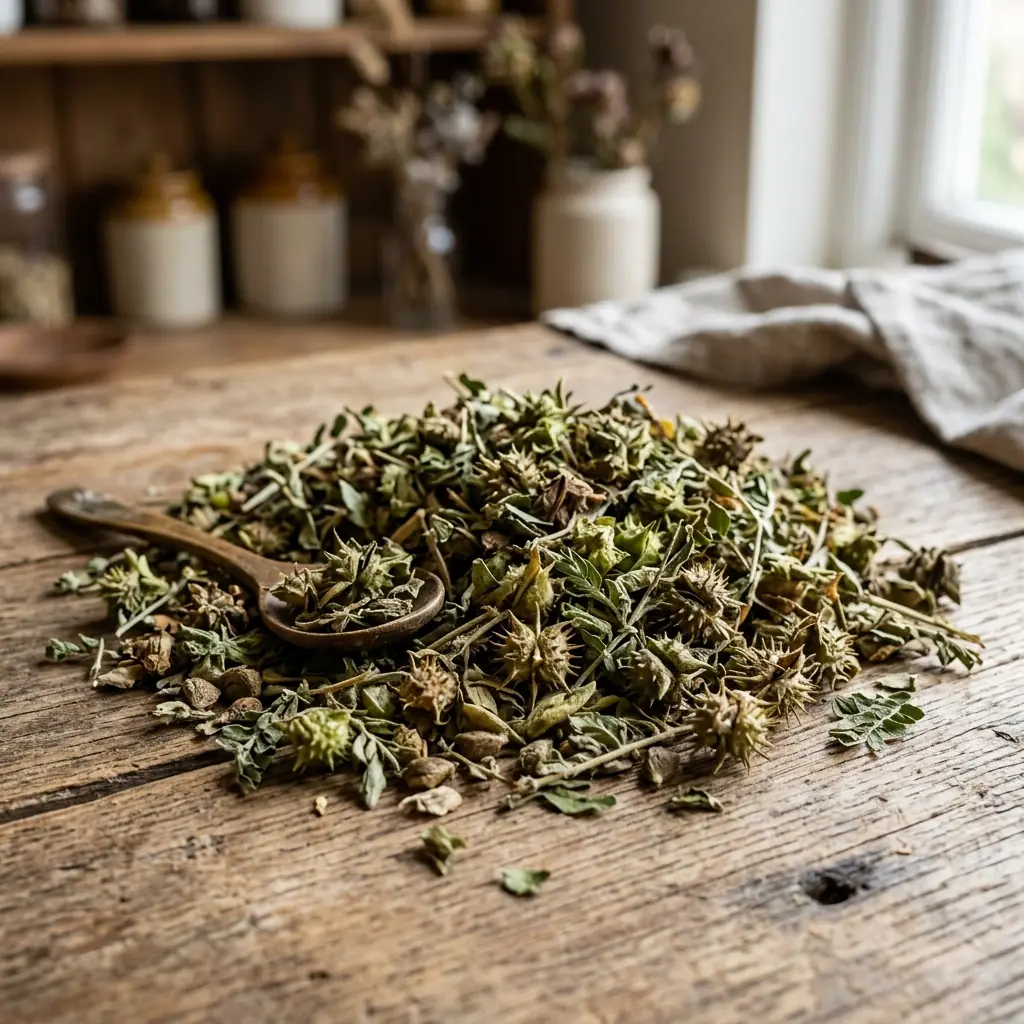
A well-researched leaf extract supplying catechins — and part of the reason the "no stimulants" claim does not hold up.
Read moreThe single ingredient with a published figure on the label, and at 5 mg it is a very small amount indeed.
Read more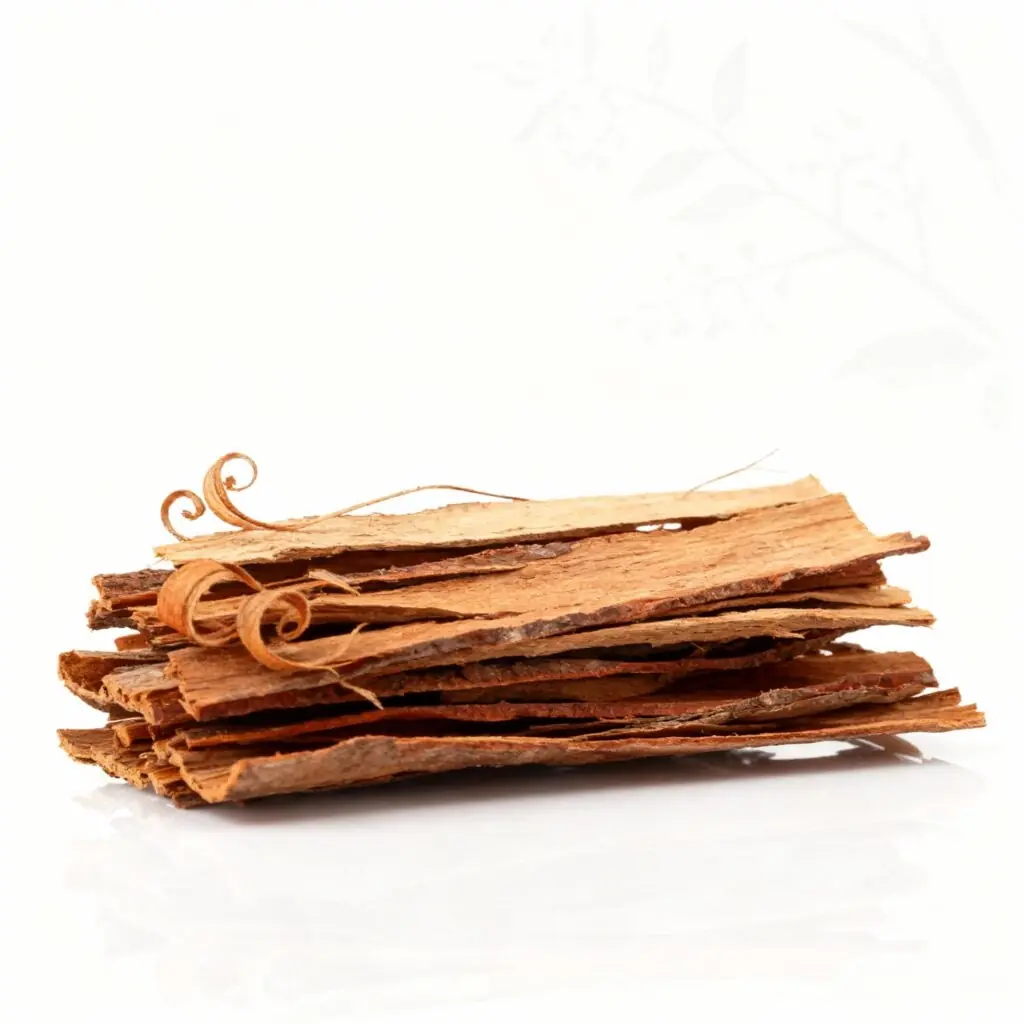
The best-evidenced adaptogen in the blend, studied for stress and sleep — and the one with the most important safety notes.
Read more
An amino acid the body converts into nitric oxide, which widens blood vessels. Also the source of this formula's most serious medication interaction.
Read more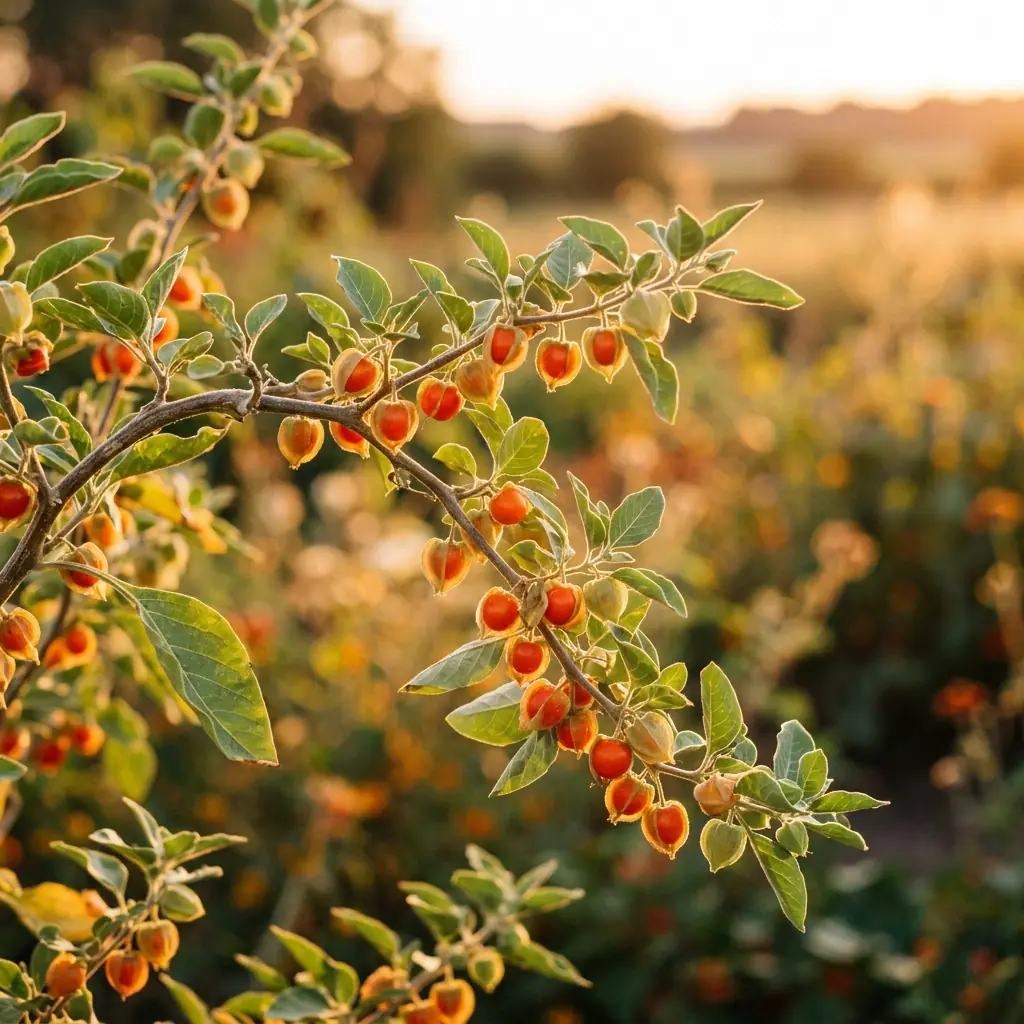
A staple of men's supplements that has repeatedly failed to raise testosterone in controlled human trials.
Read moreKnown botanically as Epimedium, containing icariin — a compound with mild activity on the same enzyme targeted by prescription ED medication.
Read moreThe full supplement facts panel as supplied, showing the blend, the other ingredients, the suggested use and the manufacturer's warning.
Being able to publish this is the reason the ingredient pages here can be specific about what is actually in the product rather than repeating the sales copy.
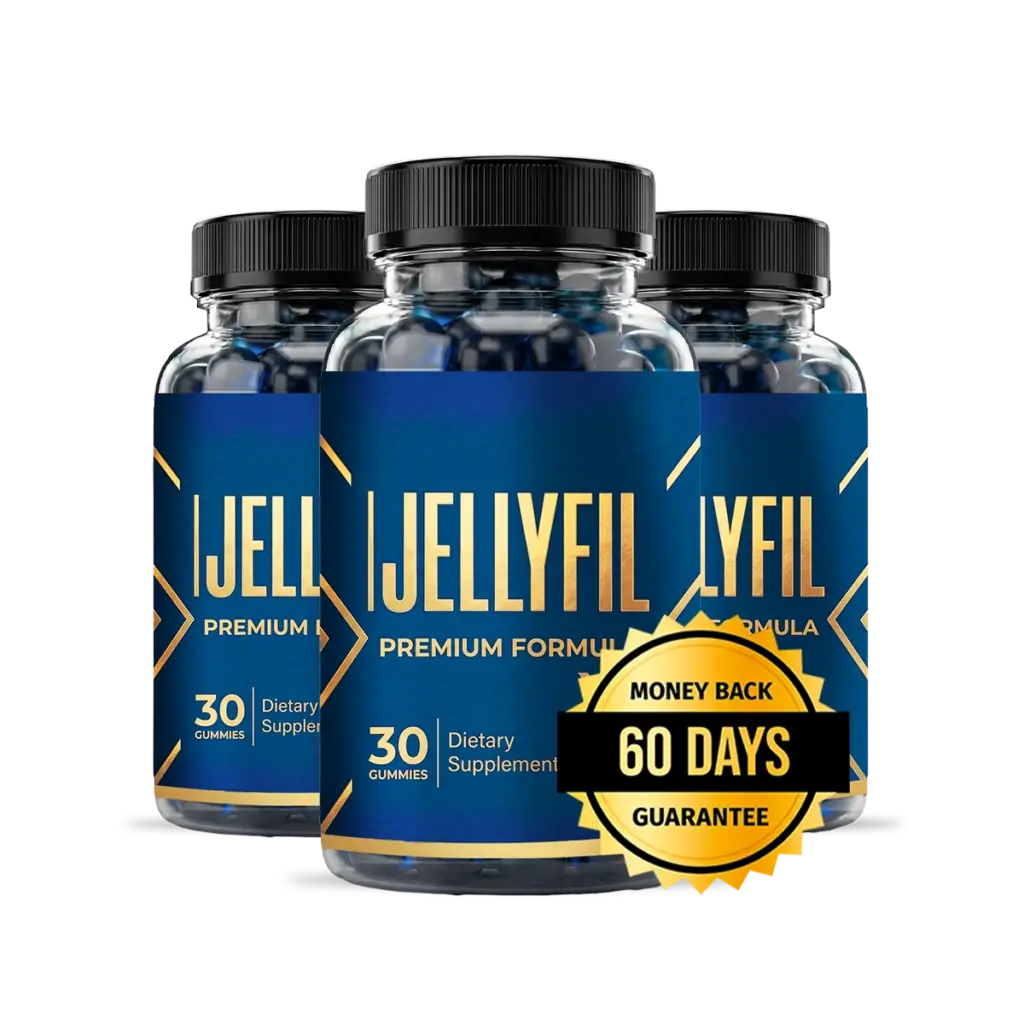
Every Jelly Fill order is backed by a 60-day money-back guarantee. The seller describes it as a full refund within 60 days, no questions asked, and frames the window as enough time to decide whether the product suits your goals.
Two practical points the guarantee page does not spell out, and which are worth checking at the checkout before you pay: whether the 60 days runs from the order date or from delivery, and who covers return shipping. Neither detail is published.
One further point worth planning around: the three and six-bottle packages hold 90 and 180 days of product while the guarantee runs 60 days. Buy six and the refund window closes with four bottles still unopened. Set a reminder for around day 50 when your order arrives.
One gummy a day, alongside the sleep, movement and balanced eating that do the real work in everyday energy. Thirty gummies to a bottle, a straightforward routine, and a 60-day money-back guarantee on every order.
From $49 per bottle · Free shipping on 3 and 6 bottles · 60-day guarantee